
7 metalworking workshop abrasives for daily use in 2026
Workshop abrasives
7 metalworking workshop abrasives for daily use in 2026
A practical guide to choosing metalworking workshop abrasives for daily cutting, grinding, cleaning, sanding and finishing with stable replenishment and technical criteria.
These are the 7 metalworking workshop abrasives to keep under control:
- Metal cutting discs for profiles, tube, sheet and repair work.
- Grinding discs for welds, burrs and edge correction.
- Flap discs for blending, sanding and intermediate finishing.
- Clean Strip discs for rust, paint and surface cleaning.
- Fibre discs for controlled sanding and surface preparation.
- Satin finishing brushes and non-woven abrasives for visible metalwork.
- Polishing compounds and accessories for final shine and surface recovery.
In a metalworking workshop, abrasives are not a one-off purchase. They solve jobs that repeat every week: cutting profiles, opening tubes, blending welds, removing burrs, preparing parts before paint, cleaning rust and leaving an acceptable finish before delivery. That is why metalworking workshop abrasives should be chosen for versatility and replenishment.
The choice changes with material and tool. A disc that works for fast carbon steel cutting may not be the best option for stainless steel. A very aggressive product can remove material quickly but leave marks that require extra finishing. A cheap abrasive can become expensive if it wears too fast or blocks the job because stock is unstable.
Abrasteel works with workshops that need a clear abrasive range for everyday operations: cutting, grinding, sanding, cleaning, satin finishing and polishing. The key is not to fill the store with unnecessary references, but to select the right families, define common sizes and keep alternatives for steel, stainless steel, aluminium and visible finishing.
This guide is written for workshop managers, technical buyers and operators who want to organise abrasive consumption without losing response capacity. You will see which families to control, which mistakes to avoid and how to connect each operation with Abrasteel products.
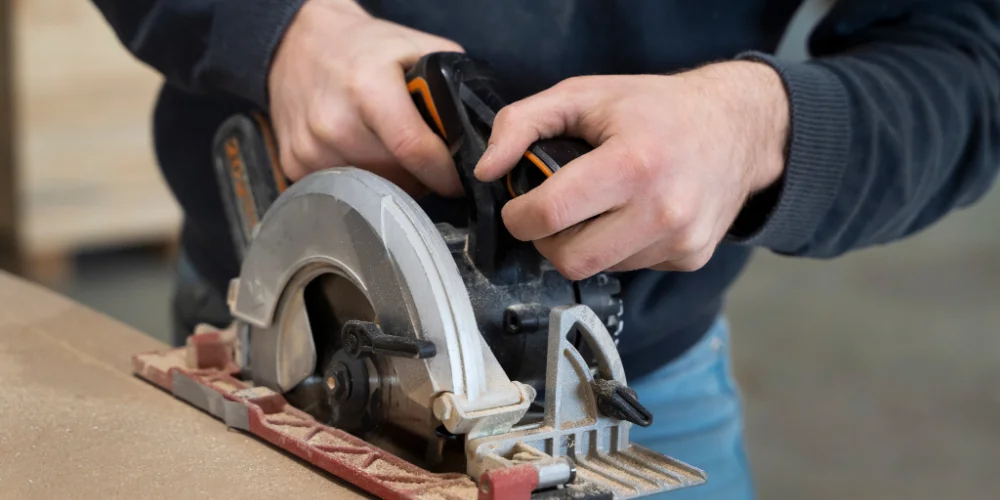
7 metalworking workshop abrasives for daily use
1. Metal cutting discs
Cutting discs are usually the highest rotation abrasive in a workshop. They are used on profiles, flat bar, tube, rod, sheet metal and parts arriving from installation or repair work. For daily use, separate carbon steel, stainless steel, aluminium and soft metals because disc type affects speed, burr formation, heat and service life.
For stainless steel, choose suitable discs and avoid ferritic contamination. For repeated cuts in steel, the priority is often that the disc cuts steadily, does not vibrate and does not force the grinder. Common workshop diameters such as 115, 125, 180 and 230 mm should be matched to the machines on site.
2. Grinding discs for welds and burrs
After cutting or welding, the workshop must remove excess material. Grinding discs are designed for fast removal, weld bead reduction, burr removal and edge preparation. They should not be replaced by cutting discs or flap discs when the operation requires aggressive grinding.
The practical criterion is material, machine power and working pressure. A disc that is too soft may wear too quickly. A disc that is too hard may heat the part and work slowly. For workshops that grind welds daily, consumption should be evaluated by working time, safety and cost per operation, not only by unit price.
3. Flap discs for blending and finishing
Flap discs help the workshop move from grinding to a controlled surface without changing the entire process. They can blend welds, reduce marks, prepare surfaces and give more control than a conventional grinding disc.
Selection depends on grit and abrasive type. General work may need a balanced product; stainless steel or demanding applications may benefit from ceramic or stainless suitable options. For a workshop, keeping grits such as 40, 60 and 80 can cover moderate removal and intermediate finishing.
4. Clean Strip discs for surface cleaning
When the objective is to remove rust, paint, coatings, light scale or dirt, an overly aggressive abrasive can damage the base metal. Clean Strip discs allow surface cleaning with less material removal than heavy grinding.
In repair, maintenance and paint preparation, this family can save time and reduce rework. It is especially useful when the part should not be deeply scratched or when the surface must be prepared for a later sanding, welding or finishing stage.
5. Fibre discs for controlled sanding
Vulcanised and compressed fibre discs are useful for controlled metal sanding, surface preparation and mark reduction before a finer stage. They can give more control than heavy grinding while still removing material efficiently.
Choose them by grain type, backing pad, diameter, pressure and required finish. A ceramic fibre disc may make sense for harder materials or demanding operations. For less aggressive work, other grains may be enough.
6. Satin finishing brushes and non-woven abrasives
When the part remains visible, the workshop needs to control the finish. Satin finishing brushes and non-woven abrasives help create matte or satin finishes, reduce imperfections and standardise surfaces on stainless steel, aluminium and decorative metalwork.
They do not replace cutting or grinding. Their value is in the final or intermediate stage, after excess material has been removed and the objective is texture control. For replenishment, define the usual finish and keep stable references between orders.
7. Polishing compounds and accessories
When the finish requires more brightness or a finer surface, polishing compounds complete the process. Workshops working on decorative stainless steel, railings, visible parts or repairs should separate sanding, satin finishing and polishing.
The correct compound depends on the metal, wheel or felt accessory and target finish. A common mistake is trying to correct deep marks only with polishing. If the previous sequence is wrong, the compound will not compensate for defects created during cutting, grinding or sanding.
What workshops need from abrasive buying
The search intent behind metalworking workshop abrasives is practical and commercial. The user does not need a long theory of abrasion. They need to know which families prevent downtime, which products fit each operation and how to buy with technical judgment for daily work.
The need usually has three layers. The first is operational: cutting, grinding, cleaning and finishing parts without wasting time. The second is replenishment: keeping stock of common sizes and avoiding urgent purchases. The third is technical: choosing correctly when the material changes, when stainless steel appears, when the finish is more demanding or when consumption is too high.
Workshop approach: versatile range, high-rotation references, easy replenishment and products that solve common incidents.
Buying decision: prioritise availability, machine compatibility, material, finish and the balance between performance and cost per use.
How to organise workshop abrasive replenishment
A workshop does not need every abrasive possible. It needs to organise consumption by operation. The most useful approach is to separate high-rotation references, such as cutting and grinding discs, from technical-use references, such as ceramic fibre discs, Clean Strip or finishing brushes.
Start by recording for a few weeks which sizes are consumed most, which machines are used, which materials enter the workshop and which jobs create more incidents. With that information, it is easier to define a compact base stock: cutting discs for 125 mm grinders, stainless specific discs, grinding discs, flap discs in two or three grits and at least one surface cleaning option.
Replenishment should also include safety and consistency. If the workshop constantly changes supplier, brand or specification, operators may notice differences in vibration, service life or aggressiveness. Stable references help teams work with more confidence and detect real process problems.
- Define common sizes by machine and operation.
- Separate steel, stainless steel and aluminium when the material requires it.
- Do not mix stages: cutting, grinding, sanding and finishing need different products.
- Review real consumption to buy by evidence, not intuition.
Quick selection table by operation
| Workshop operation | Recommended abrasive | When to use it | Technical precaution |
|---|---|---|---|
| Cutting profiles and sheet | Metal cutting disc | Fast cuts in steel, stainless steel or aluminium depending on disc. | Do not use for side grinding; respect maximum speed. |
| Weld beads | Grinding disc or flap disc | Initial stock removal and later blending. | Control heat and avoid removing too much base metal. |
| Rust or paint cleaning | Clean Strip | Surface preparation without excessive stock removal. | It does not replace grinding when excess material must be removed. |
| Controlled sanding | Fibre disc | Preparation before paint or finer finishing. | Choose backing pad, grit and pressure carefully. |
| Satin or visible finish | Brushes, non-woven abrasives and polishing compounds | Stainless steel, aluminium and decorative metal parts. | Prepare the surface correctly before polishing. |
Safety, stock and material separation
Daily workshop use creates familiarity, and familiarity can hide risk. Cutting and grinding products should be used only within their intended operation, with compatible machines, guards and maximum speed. FEPA provides general abrasive safety guidance, and OSHA’s abrasive wheel machinery standard is a useful reference for wheel guarding and checks.
Workshops that weld and grind should also consider fumes, sparks, eye protection and hot work context. OSHA’s welding, cutting and brazing guidance is relevant when abrasive operations are part of welded assemblies or repair work.
From a stock perspective, material separation matters. Stainless steel consumables should be controlled, especially when the workshop also cuts and grinds carbon steel. This reduces contamination risk and improves finish reliability.
Common mistakes when buying workshop abrasives
Buying only by unit price
In a workshop with daily consumption, unit price does not explain the real cost. If a disc lasts less, cuts slower or generates more burrs, the apparent saving disappears in labour time, consumable changes and rework. Review useful life, stability and result per operation.
Using the same abrasive for everything
A workshop needs versatility, but not improvisation. A cutting disc should not be used for grinding. Clean Strip should not replace heavy stock removal. A polishing compound cannot fix an incorrect sanding sequence.
Not separating stainless steel from carbon steel
In stainless steel, ferritic contamination and excessive heat can damage the finish or create later problems. If stainless steel is common in the workshop, use suitable abrasives and avoid cross-use with consumables that have worked on carbon steel.
Not reviewing minimum stock
Running out of high-rotation abrasives blocks simple jobs. The solution is not uncontrolled storage, but minimum stock by family and size. This is especially important for cutting discs, grinding discs and flap discs.
Abrasteel as a metalworking workshop abrasive supplier
Abrasteel can help define a range of metalworking workshop abrasives adapted to your machines, materials and real consumption. We work with abrasive discs, abrasive brushes, abrasive belts, grinding wheels, polishing compounds and accessories for operations from cutting to finishing.
Our approach is practical. If your workshop consumes discs every day, we review sizes, material, operation and current problems. If you need a better finish, we analyse the sequence before recommending the final product. If replenishment is the issue, we help organise families and references to reduce urgent purchases.
The best solution is not always the most aggressive abrasive or the cheapest one. It is the one that lets the workshop work with safety, continuity, good finish and a reasonable cost per operation.
Do you want to organise abrasive replenishment for your workshop? Tell us which materials you work, which machines you use and which abrasive families rotate most. We help you define a clear range for cutting, grinding, cleaning and finishing.
Frequently Asked Questions (FAQs)
Which abrasives should a metalworking workshop always have?
A useful base usually includes cutting discs, grinding discs, flap discs, surface cleaning products and finishing abrasives. The exact selection depends on materials, machines and common jobs. If stainless steel is frequent, keep suitable dedicated references.
How can a workshop reduce abrasive consumption?
First check whether the abrasive matches the operation. Then review pressure, speed, angle, machine condition and finishing sequence. Consumption often drops when cutting, grinding, sanding and polishing are separated correctly.
What is the difference between a grinding disc and a flap disc?
A grinding disc is oriented to aggressive stock removal. A flap disc combines sanding and finishing, so it usually gives more control and a more uniform surface. Many workshops use both: grinding when there is much material to remove, then flap discs to blend or prepare the finish.
Should a workshop buy different abrasives for stainless steel?
Yes, when stainless steel is a regular material. Suitable abrasives help reduce contamination, heat, marks and finishing problems. Avoid sharing consumables used on carbon steel if the stainless steel surface quality matters.
How should I request advice for workshop abrasives?
Send material, machine, operation, size, current grit, problem and approximate consumption. With that information Abrasteel can assess whether you need to change family, adjust grit, use a more specific product or improve the working sequence.
Which abrasive families rotate most in workshops?
Cutting discs, grinding discs and flap discs usually rotate fastest because they are involved in daily cutting, weld correction and surface preparation. Clean Strip, fibre discs, brushes and polishing compounds may rotate less but are important for cleaning and finishing quality.

Abrasteel advice
Do you replenish abrasives every week?
We help you define a stable range for cutting, grinding and finishing.
Contact us
Leave us your details and one of our sales representatives will contact you shortly.